(This is the second post in a series aimed at helping parents home-school their children.)
As students gain familiarity with a globe, they need to grasp the size of the planet that it represents. It is a simple matter to say that the Earth is 24,901 miles in circumference at the Equator and 24,860 miles around the poles, but such numbers are difficult to understand.
The size of the world is easier to comprehend if framed in terms of experience, such as the time required to travel around it. If Earth had no oceans or other barriers and a person could simply walk around its circumference, how long would the journey take? If waking at three miles an hour for eight hours a day, it could be accomplished in a little under three years. If you could drive around the world at 65 miles an hour for eight hours a day, it would take 48 days. What about air travel? If you could fly non-stop at the speed of a commercial jet, the trip would take about 44.5 hours, or a little less than two days.
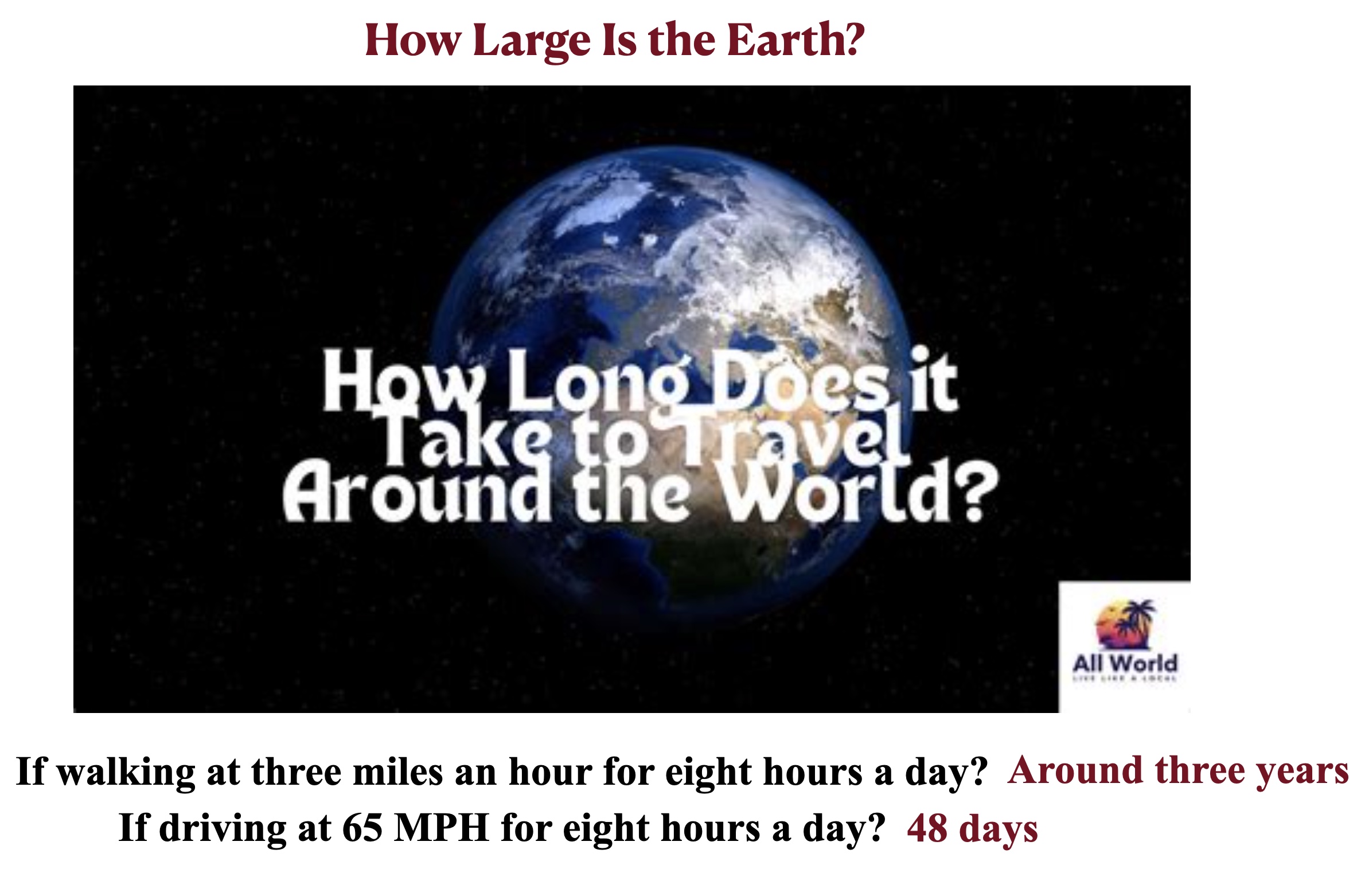
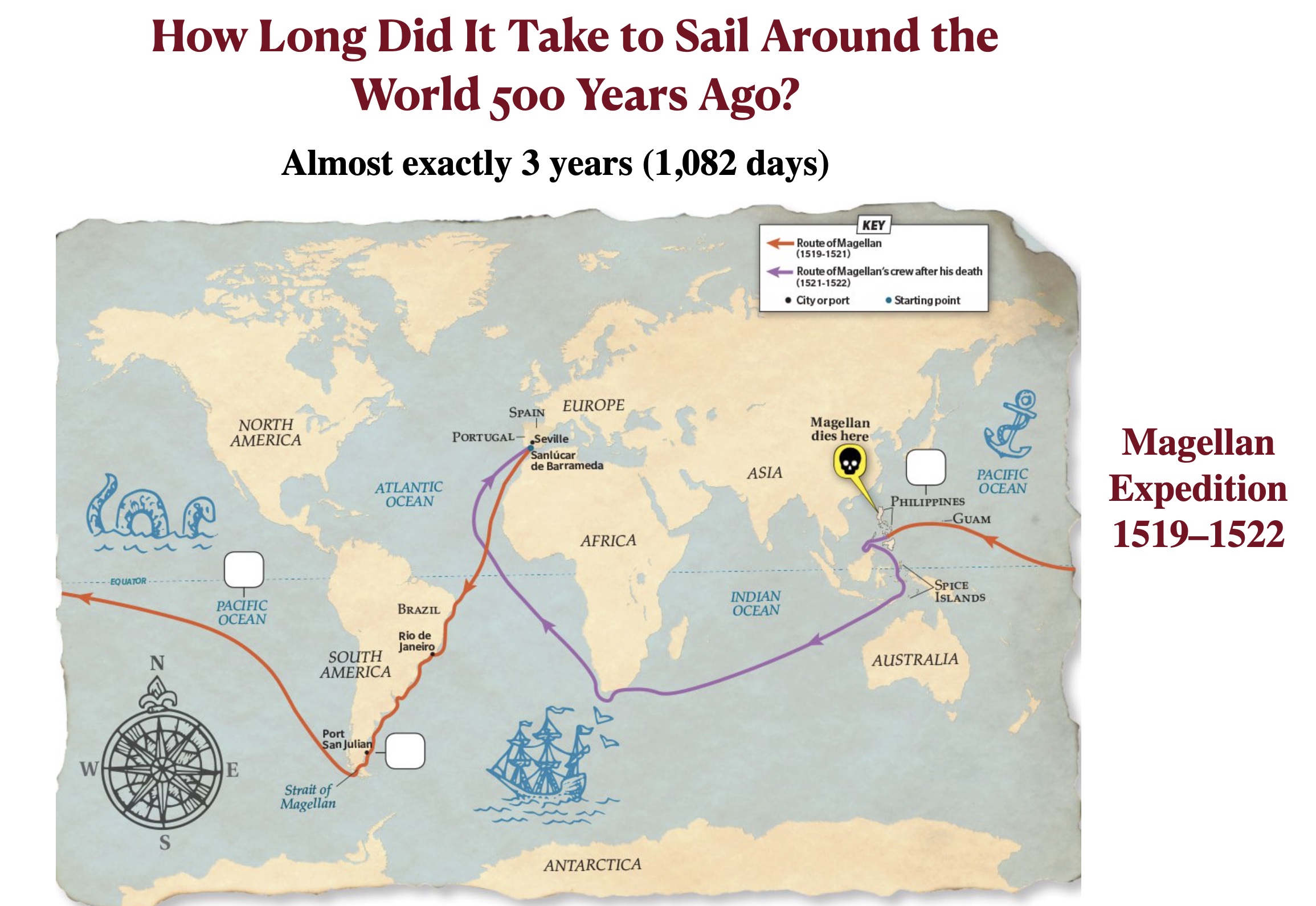
It is impossible, of course, to drive or walk around the Earth. But people have been sailing around it for around 500 years, although not on a direct course. In the 1500s, such a voyage were completed in around three years – intriguingly, about the same amount of time that it would theoretically take to walk around the Earth’s circumference. As ships improved, the travel time decreased. By the mid 1800s, a clipper ship could sail from China to Britain in a little over three months and could theoretically make it around the world in well less than a year. By the early 1900s, a steamship could make a trans-global journey in 70 to 90 days.
Ships cannot directly sail around the world because continents are in the way. Before the opening of the Suez Canal in 1869 and the Panama Canal in 1914, circumnavigating the globe required traveling far to the south to get around Africa and South America. A good exercise is to show students a map of the first voyage around the world, that of Magellan (1519–1522), and then have them trace it out on a globe. For older students, it is important to show how difficult and deadly these early voyages were. On the Magellan expedition, only 18 of 280 sailors survived. On the second circumnavigation of the Earth, that of Francis Drake (1577–1580), 59 of 164 men made it back home, a considerable improvement but still a dismal figure.
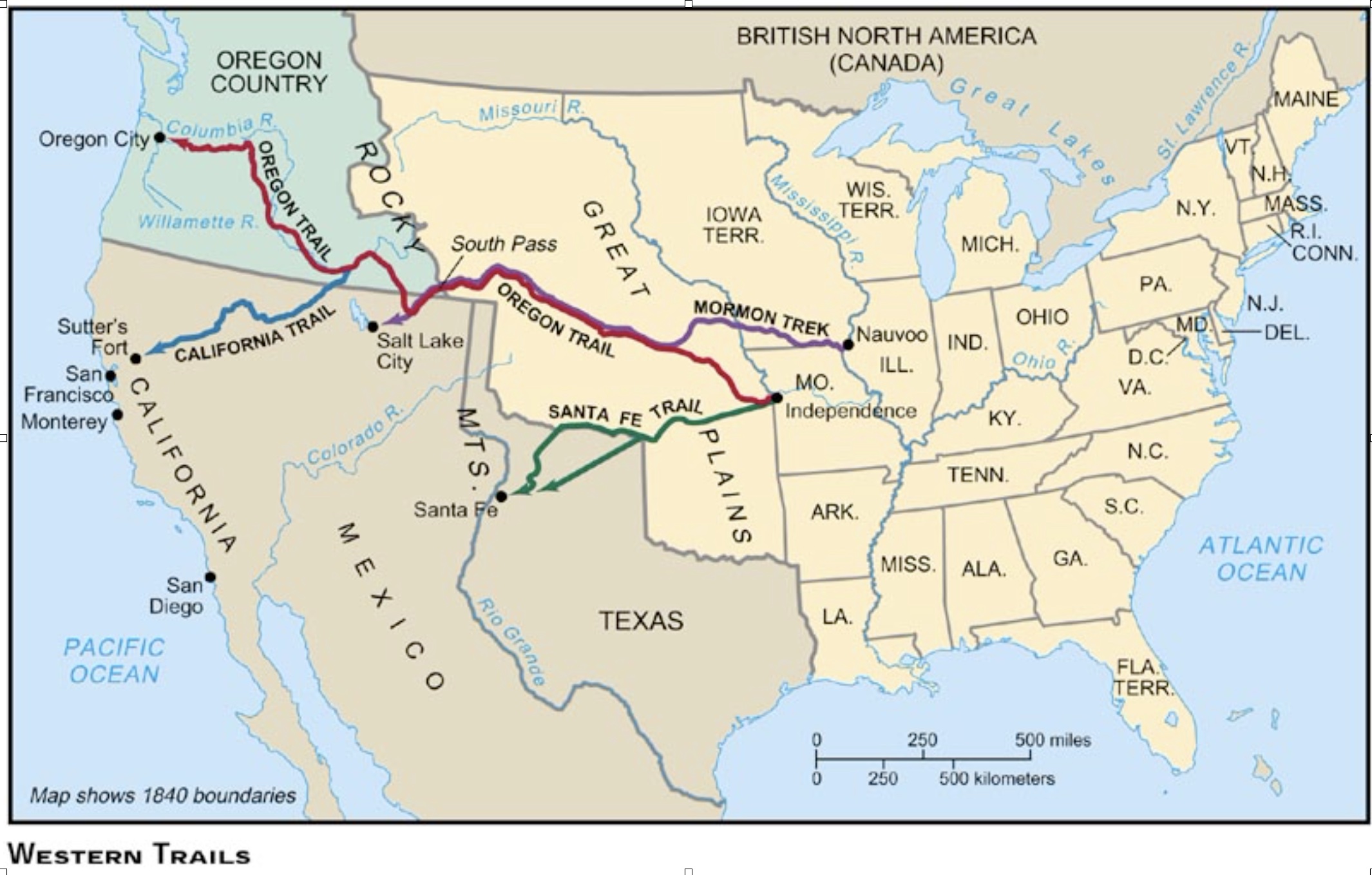
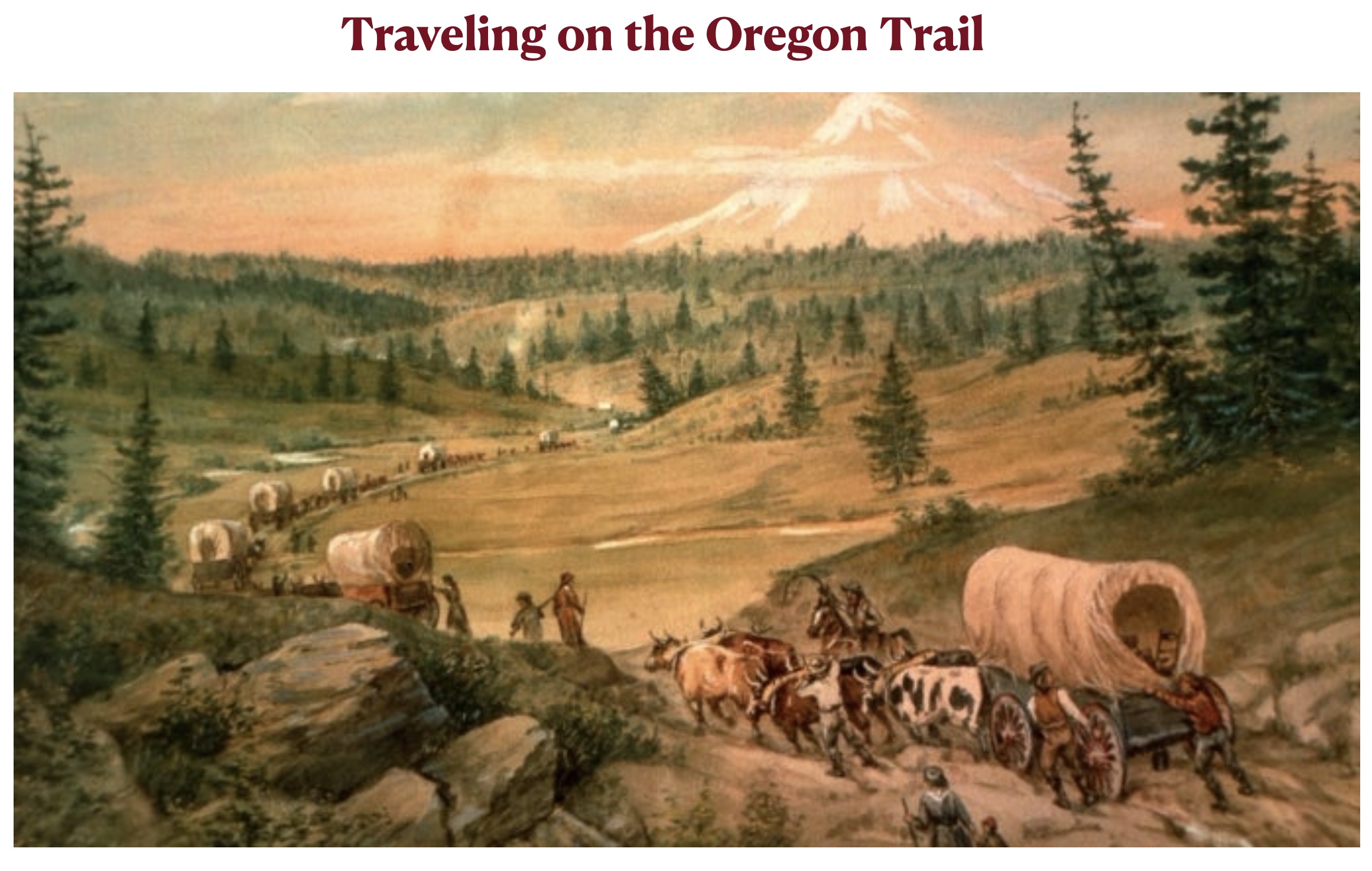
Land travel was usually slower than sea travel before the Industrial Revolution. Consider the famous Oregon Trail, which ran from western Missouri to western Oregon. Covering 2,170-miles, this route is only 8.6 percent of the length of the Earth’s circumference. But as late as the 1850s, pioneers traveling west in wagon train usually took four to six months to make this journey. For another exercise, students can be shown a map of the Oregon Trail and then asked to trace it out on the globe.
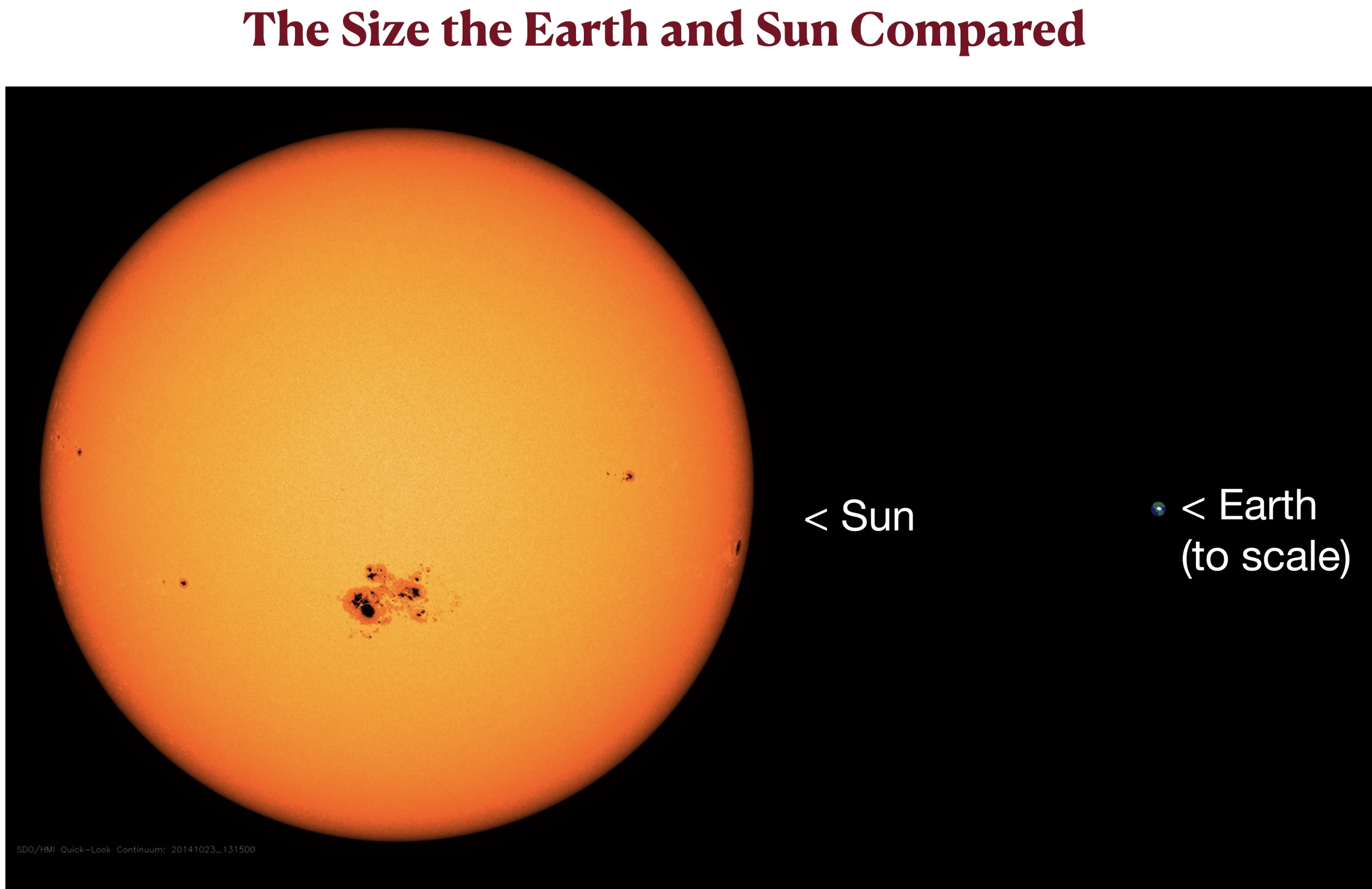
But as large as the Earth it, it is tiny when compared to the sun, an important fact for later lessons. Around a million planets the size or the Earth could fit inside the sun. This size difference is most effectively conveyed by a single comparative image. The distance between the sun and Earth – 93 million miles – is more difficult to comprehend. But if you could drive a car to the sun at 60 miles per hour, the trip would take over 170 years. Even light, which travels at the fastest possible speed, takes over eight minutes to go from the sun to the Earth. As a result, a phone call using light-fast radio waves to a person located 93 million miles from Earth would be a very frustrating experience. If you start the call by saying “hello,” you would have to wait about 17 minutes to hear a “hello” in return.